
The History and Significance of Love Tokens
Long before engraved lockets and diamond rings became the language of romance, lovers found their own ways to create meaningful keepsakes. These object were often humble in origin, but would convey powerful messages of love and loyalty between sweethearts and friends.
Today, love tokens are considered some of the most evocative forms of antique jewellery. But their origins lie not in luxury, but in resourcefulness, devotion, and the human desire to be remembered.
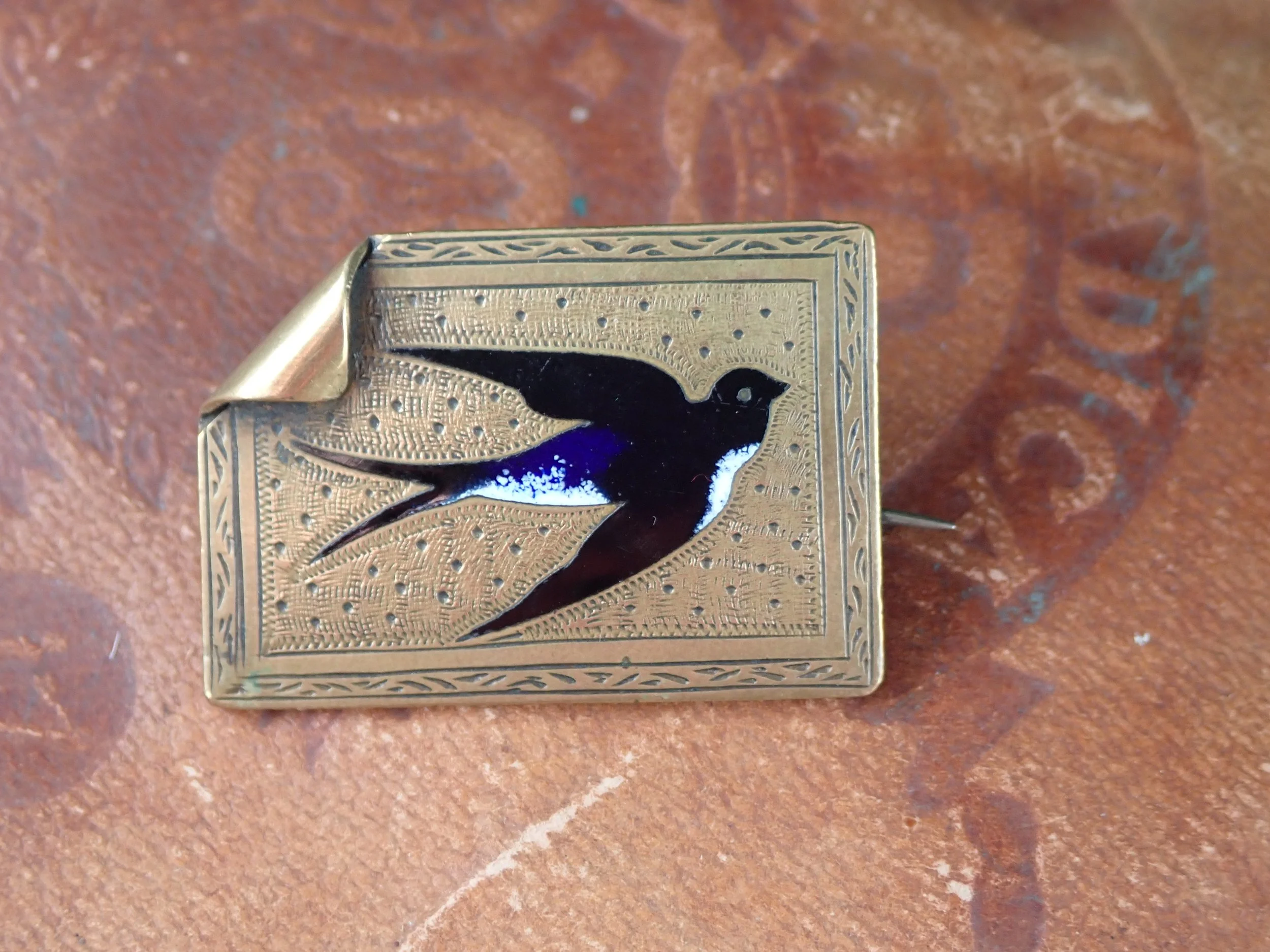
What is a Love Token?
A love token is a small, handmade object given as a symbol of affection, loyalty, or remembrance. Unlike mass-produced jewellery, these pieces were often altered or created by hand, making each one entirely unique.
For antique jewellery collectors obsessed with uncovering authentic pieces that tell a story about social and cultural history - they are irresistible.
And for anyone interested in personalised pieces, love tokens can be seen as the earliest form of personalised jewellery. After all, they weren’t created jewellers, but by the individuals who wore and exchanged them.
Coins with Hidden Messages
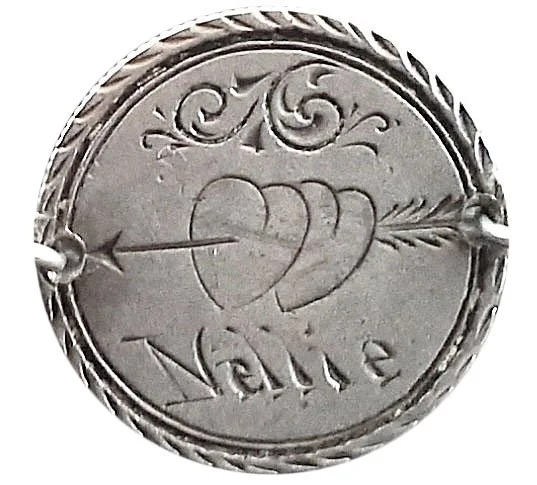
One of the most recognisable forms of love tokens in Britain is the engraved or personalised coin.
From the 17th century onwards, ordinary coins were:
smoothed down
engraved with initials, names, or dates
sometimes bent to create a curve
Fitten with rings so they could be worn on a chain
Set with gemstones and paste
Etched with images symbolising devotion, such as hearts, birds, lighthouses and sailboats.
These altered coins were given as tokens of affection or commitment, often marking love over distance, engagement, or separation.
There is something quietly powerful about these pieces. Coins were everyday objects, transformed into something deeply personal. In some cases, damaging currency was technically illegal, but didn’t deter those determined to create something special for a loved one.
Love Tokens, Conveying Loss and Separation
Many love tokens are tied to moments of departure and uncertainty.
In the 18th and 19th centuries, individuals facing long journeys - whether through military service, migration, or imprisonment - would create tokens for the people they were leaving behind.
Particularly poignant are the engraved coins made by prisoners prior to transportation. These pieces often feature:
carefully inscribed names
dates of departure
short, emotional messages
In this context, love tokens become more than romantic gestures. They are objects of memory and survival, which were held close until there was news on whether their loved one was ok.
Maritime Tokens and Intimate Keepsakes
Among the most collectable and rare antique love tokens were made by sailors. They often creating intricate carvings during long voyages at sea.
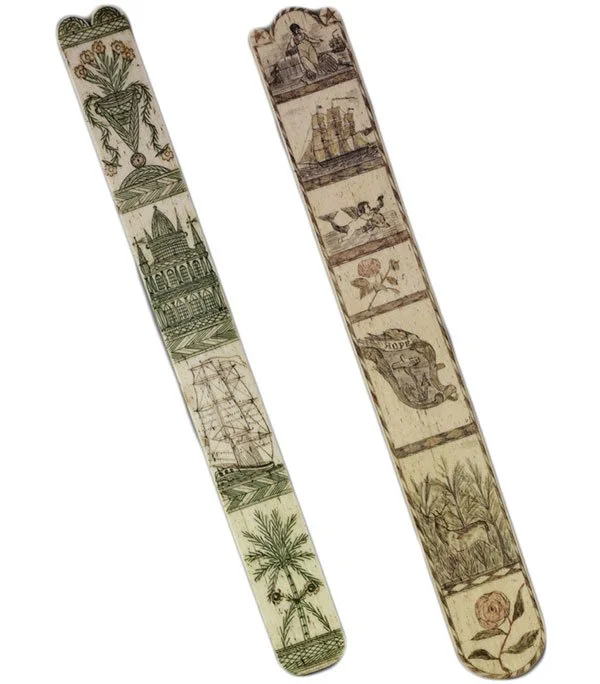
Using materials such as whale bones or teeth, pieces of wood and scraps of bone found on ships. They produced finely engraved objects, sometimes known as scrimshaw.
Though not strictly love token jewellery, among the most intimate and evocative of these were decorated corset busks. These were flat pieces of whalebone worn inside a corset carved with symbols such as hearts, ships, names and initials. These fetch thousands at auction and are highly collectable as emotionally powerful works of art, carrying a fascinating history.
From Folk Objects to Antique Jewellery
Over time, the spirit of the love token found its way into more formal jewellery design.
Victorian jewellery in particular embraced the idea of mass-produced or finely crafted commissioned love tokens, including engraved lockets, mourning hair jewellery, inscribed rings and inscribed brooches.
These pieces carried forward the same ideas of personalisation, sentiment, and memory, but with greater refinement and craftsmanship.
Today, many antique jewellery pieces echo the tradition of love tokens. Everyday jewellery that conveys similar sentiments to the love tokens of the past could be a locket holding a photograph, an engraved wedding band with initials or a brooch featuring symbolic motifs.
Each one continues the idea that jewellery can be deeply meaningful as well as decorative.
Why Love Tokens Still Matter
What makes love tokens so compelling is their authenticity.
They were not designed for display or status. They were created for one person, by another, often in moments of emotional significance.
In a world of mass production, these objects feel refreshingly human. This made me consider why love token carry more power today than ever. In the age of AI, human created objects increase in value, both from a financial perspective, but also in an emotional sense. Human creation now carries a premium and love tokens reflect human nature so entirely. They are imperfect, unique and sentimental.
For collectors and enthusiasts of antique jewellery, love tokens offer a glimpse into the private lives and emotions of the past.
They remind us that jewellery has always been more than adornment. At its heart, it is about connection between people and across time.