
Buying Gold Jewellery - Investment or Adornment?
Some people will never take jewellery seriously. They consider it to be a frivolous decoration and don’t give it a second thought. As an antique and vintage jewellery dealer, I’ve learnt that jewellery is worth taking very seriously. Like music, dancing, art and communication, the action of adornment is part of human nature. For humans, Jewellery has always carried value - culturally, emotionally and financially.
And here’s where it gets complicated. Jewellery CAN be a flippant decoration, costing a few pounds and giving fleeting pleasure to the owner/wearer. It can also be a serious investment. Gold, as an asset class, has outperformed almost all others over the past decade. Buying vintage and antique jewellery with intrinsic value can deliver considerable returns on investment. Ultimately, holding and wearing your wealth close to your body gives you power and agency.
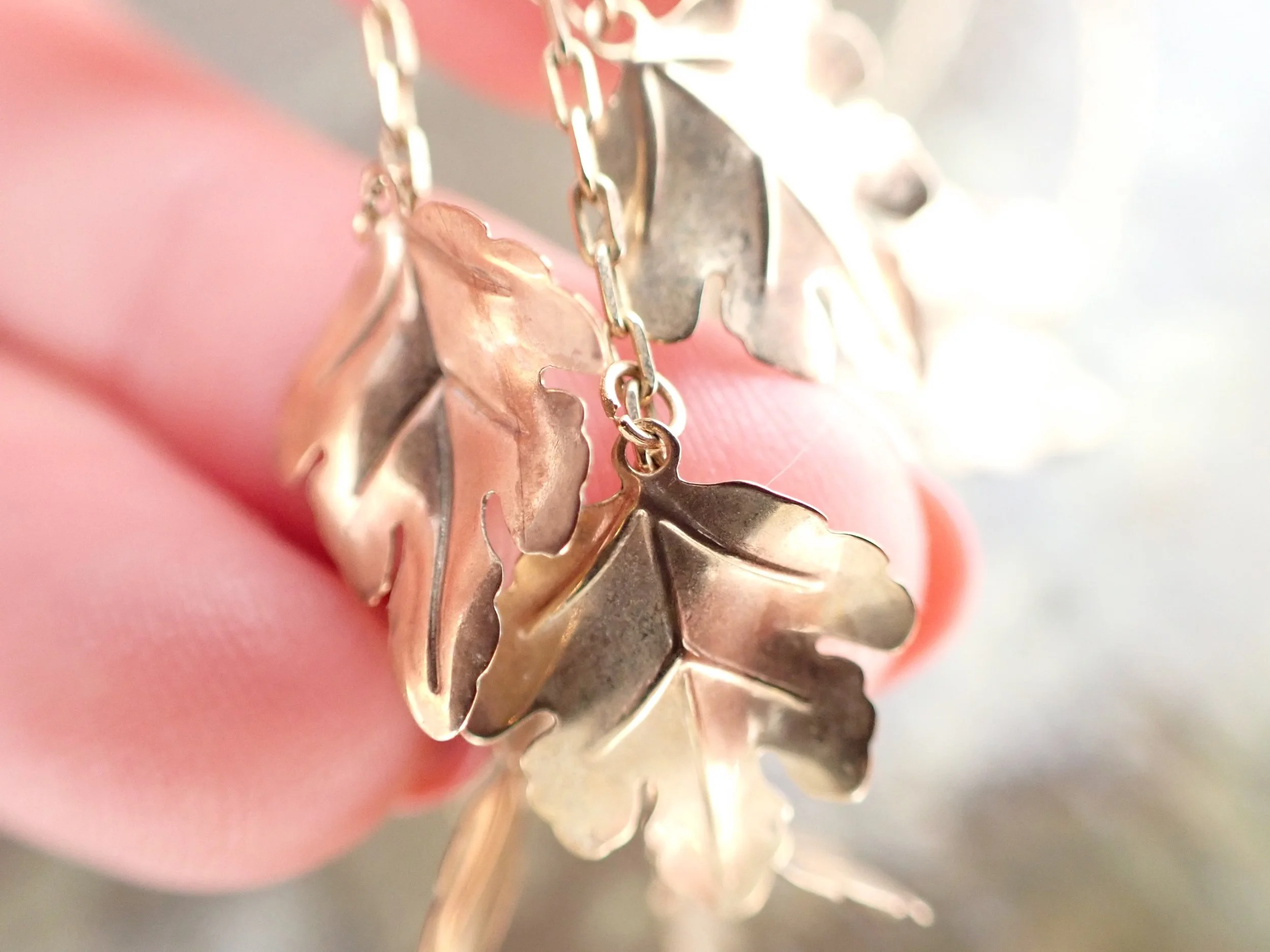
Is Gold a Good Investment?
The value of gold has increased more than threefold over the last decade. If you had invested in gold jewellery with a scrap value of £1000 back in 2016, it would be worth well over £3000 now. That same £1000 invested in a cash ISA would be worth £1250 at the most. Invested in stocks & shares? It would be worth £1850-£2500.
So what’s the caveat? The world is a pretty messed-up place right now. Covid 19 drove up inflation across the world and the geo-political situation (aka Trump, Putin et al) is volatile. These factors have made gold an attractive safe haven, driving up its value to record levels.
One could argue that stocks and shares investment traditionally outforperms gold over the long-term, and if stability returns to the world, that’s a better place to put your hard-earned cash. But do you get to treasure, wear, touch, hold and style outfits with your stocks & shares? No you don’t. Case closed.
Gold Jewellery and Female Empowerment
Many Eastern cultures have long-prized gold jewellery as an effective symbol of financial independence - especially for women. In any situation, regardless of how limited or controlled a woman’s life is, if she has gold jewellery she has a highly liquid, dependable source of cash if she needs it.
Buying brand new gold jewellery from a high street jewellery is, in my opinion, the least sensible way to obtain gold in the UK. You’ll pay well over intrinsic value for pieces that have often been mass-produced. Instead, investing in vintage or antique gold jewellery gives you access to jewellery at prices that reflect the true value of the piece, without unreasonable retail mark-ups.
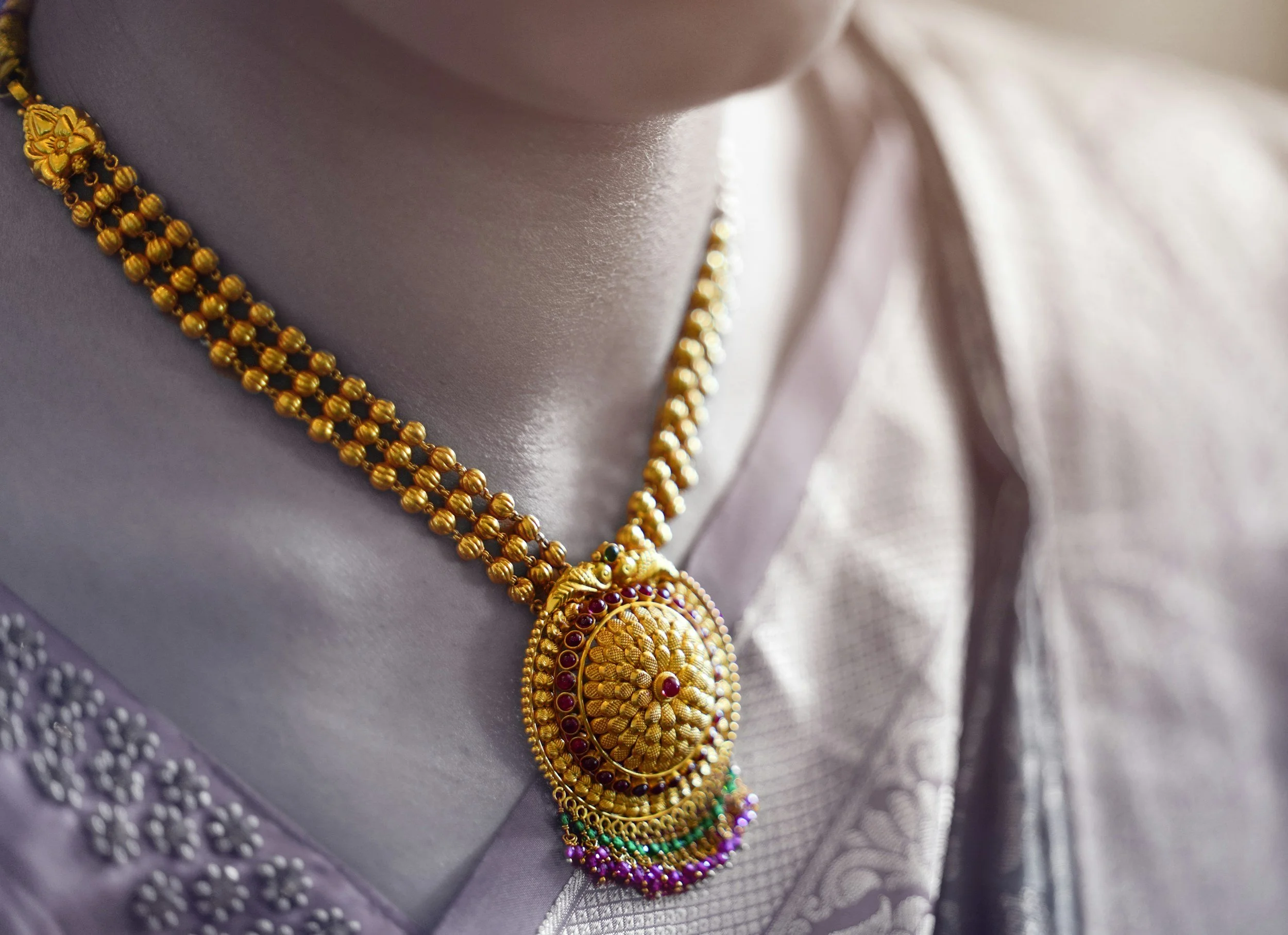
Buying Vintage and Antique Gold Jewellery - What to Consider
There are plenty of conflicting views about whether intrinsic value should be taken into account when buying vintage and antique gold jewellery. My personal view is that the value of antique and vintage jewellery is about more than just gold weight so deciding what to buy should take all these factors into account.
What Affects Antique Gold Jewellery Prices?
Gold Content
The gold content and gold purity in a piece of antique jewellery will play a part in dictating its value. You won’t find a piece priced at less than the scrap gold value, so a heavier piece on high-carat gold jewellery will always cost. And right now, because gold prices are unusually high, you will pay large prices for these pieces regardless of any of the other factors we’ll look at below. So my advice? To protect your investment, check the piece against some of the other factors to make sure it will stand the test of time.
Rarity
This is a big one. Rarity affects antique jewellery prices more than almost any other variable. Pieces with no intrinsic value can fetch large sums if they are rare and desirable enough to collectors. Gold jewellery is no exception. Lightweight low-carat gold jewellery can be priced three or four times over the scrap value of the metal if they are rare and desirable. If you’re not interested in collecting or owning rare pieces, avoid these items and go for jewellery that’s easier to find, with prices that reflect this.
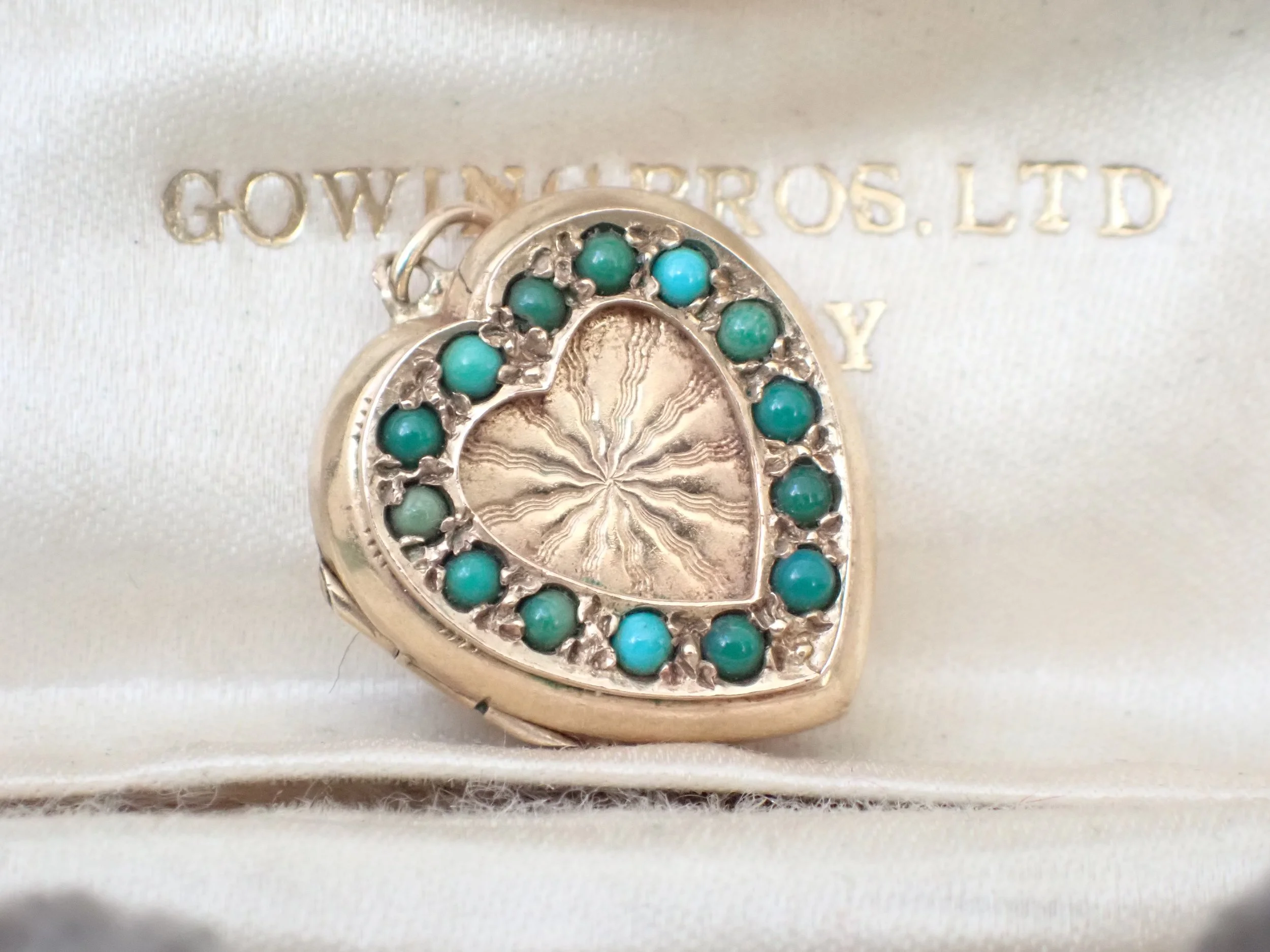
Desirability
If a piece of vintage or antique jewellery is in demand, dealers will charge much higher prices for it. Certain shapes, designs and styles are hot right now, while others are out of fashion. In 2026 you’ll pay much more for a heart-shaped locket than a round locket, and a cable or curb double Albert watch chain will set you back much more than a rope or figaro chain with a standard clasp - even if the scrap gold value is the same. Buy what you like, but bear in mind that marketplace demand dictates price.
Quality/Design
Vintage and antique gold jewellery made by a well-known name will fetch a premium price. Time-honored goldsmithing houses in Italy and France are particularly well-regarded for producing high-quality pieces and many still operate today, making exquisitely-designed, handmade gold jewellery. With regards to antique jewellery, the more intricate a hand-made piece is - whether it features fancy settings and goldwork for example - can also add to the price.
How to Start a Gold Jewellery Collection
Firstly, only buy vintage or antique gold. Gold is a finite resource and buying old gold often means a more sustainable, higher-quality piece for your money. Starting small is the key to beginning your journey with solid gold jewellery. Instead of buying several new gold plated or gold-filled pieces - especially from jewellery companies claiming their gold plated jewellery is ‘waterproof’ and won’t tarnish or fade, and charging high prices - buy one solid gold ring or chain. In the US, this might mean a 10ct gold stacking ring or vintage chain and in the UK that’s likely to be a 9ct gold piece. Vintage fairs, eBay or even Vinted is a good source of pre-owned gold at prices that are often only a little above scrap value.
If you love jewellery and want to invest in pieces that last forever and increase in value over time, then buying vintage or antique gold jewellery is a no-brainer. Ultimately, you’re choosing to wear your investment instead of it sitting in a savings account and If your taste changes, simply sell up and buy a different piece!