
How Suffragettes Used Jewellery in Their Fight for Women’s Rights
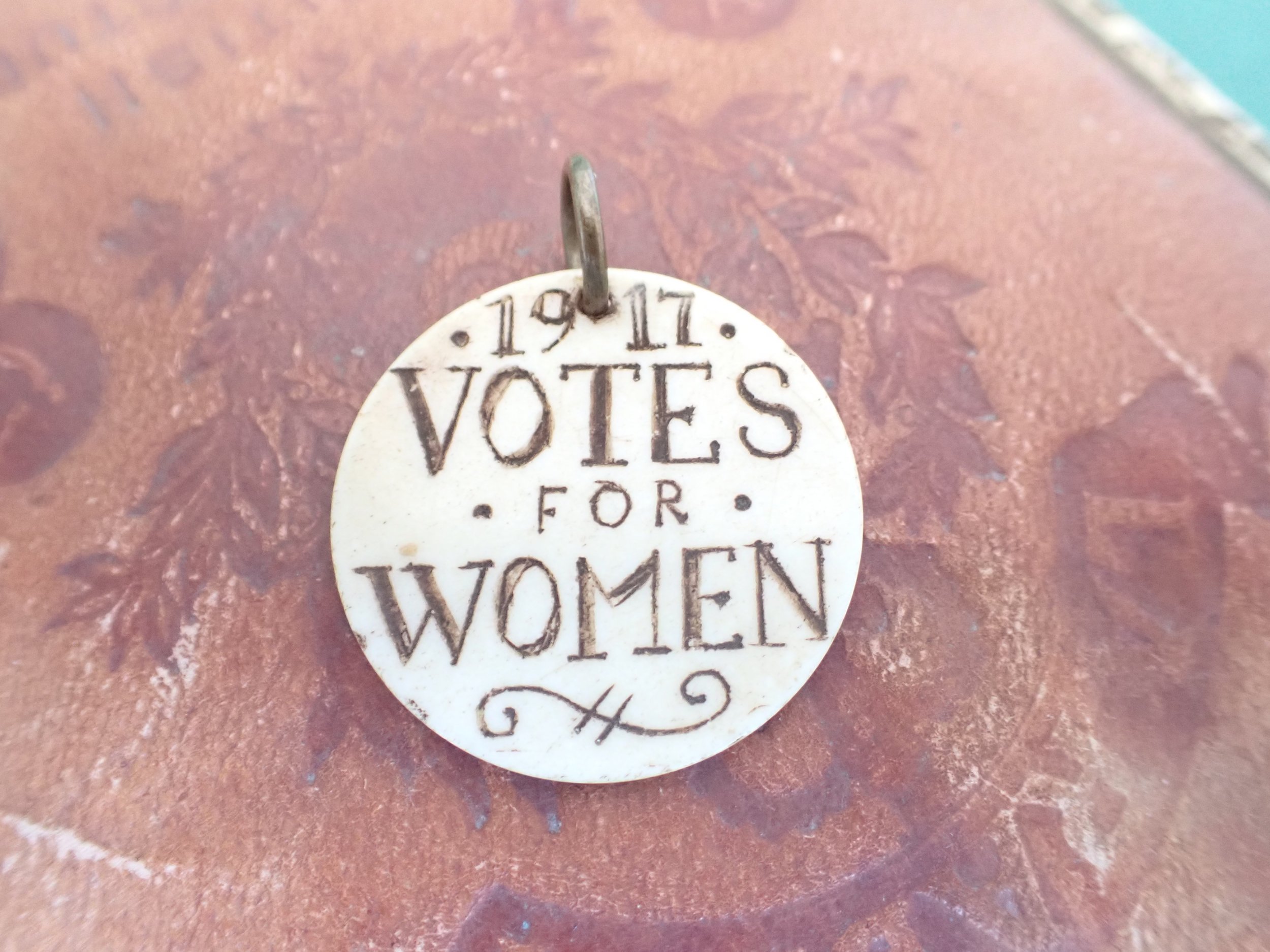
When we think of the British suffragette movement, we often picture marches through London streets, banners held aloft and the iconic colours of purple, white and green. Yet jewellery also played a surprisingly important role in the campaign for women’s voting rights. Far from being purely decorative, suffragette jewellery became a powerful tool for identity, symbolism and political expression.
Worn by supporters of the movement, these pieces allowed women to publicly align themselves with the cause at a time when doing so was still controversial. Today, suffragette jewellery remains one of the most fascinating intersections of fashion, politics and antique jewellery history.
The Origins of Suffragette Jewellery
The most recognisable forms of suffragette jewellery emerged in the early 20th century alongside the activities of theWomen’s Social and Political Union, founded in 1903 by Emmeline Pankhurst. The WSPU understood the importance of visual identity remarkably well. Although the movement is often remembered for its militant protest tactics, it also carefully cultivated a sophisticated and highly recognisable public image.
In 1908, the organisation formally adopted the colours purple, white and green, representing dignity, purity and hope. These colours quickly began appearing throughout suffragette culture, from banners and ribbons to clothing and jewellery. Jewellery became a particularly elegant way for women to express support for the movement in everyday life. A brooch pinned to a blouse or a pendant worn at a social gathering could quietly communicate political allegiance without the need for speeches or public declarations.
The Meaning Behind Suffragette Colours
Jewellers began producing pieces featuring gemstones associated with the suffragette palette, particularly amethysts for purple, pearls or diamonds for white and peridots or emeralds for green. Some pieces were elaborate and expensive, designed for wealthy supporters of the movement, while others were more modest and accessible to middle-class women. In many ways, suffragette jewellery functioned much like a political badge does today, although with considerably more refinement and symbolism.
One of the most interesting aspects of suffragette jewellery is the debate surrounding what truly qualifies as an authentic suffragette piece. In recent years, many Edwardian jewels featuring purple, white and green gemstones have been retrospectively labelled “suffragette jewellery”. However, historians and jewellery specialists now believe that genuinely documented examples directly connected to the movement are relatively rare. The colour combination itself was fashionable during the Edwardian period, meaning many pieces may simply reflect broader design trends rather than overt political symbolism.
Nevertheless, jewellery undeniably played an important role within suffragette culture, particularly through official badges, pins and commemorative items associated with the movement.
Holloway Prison Brooches
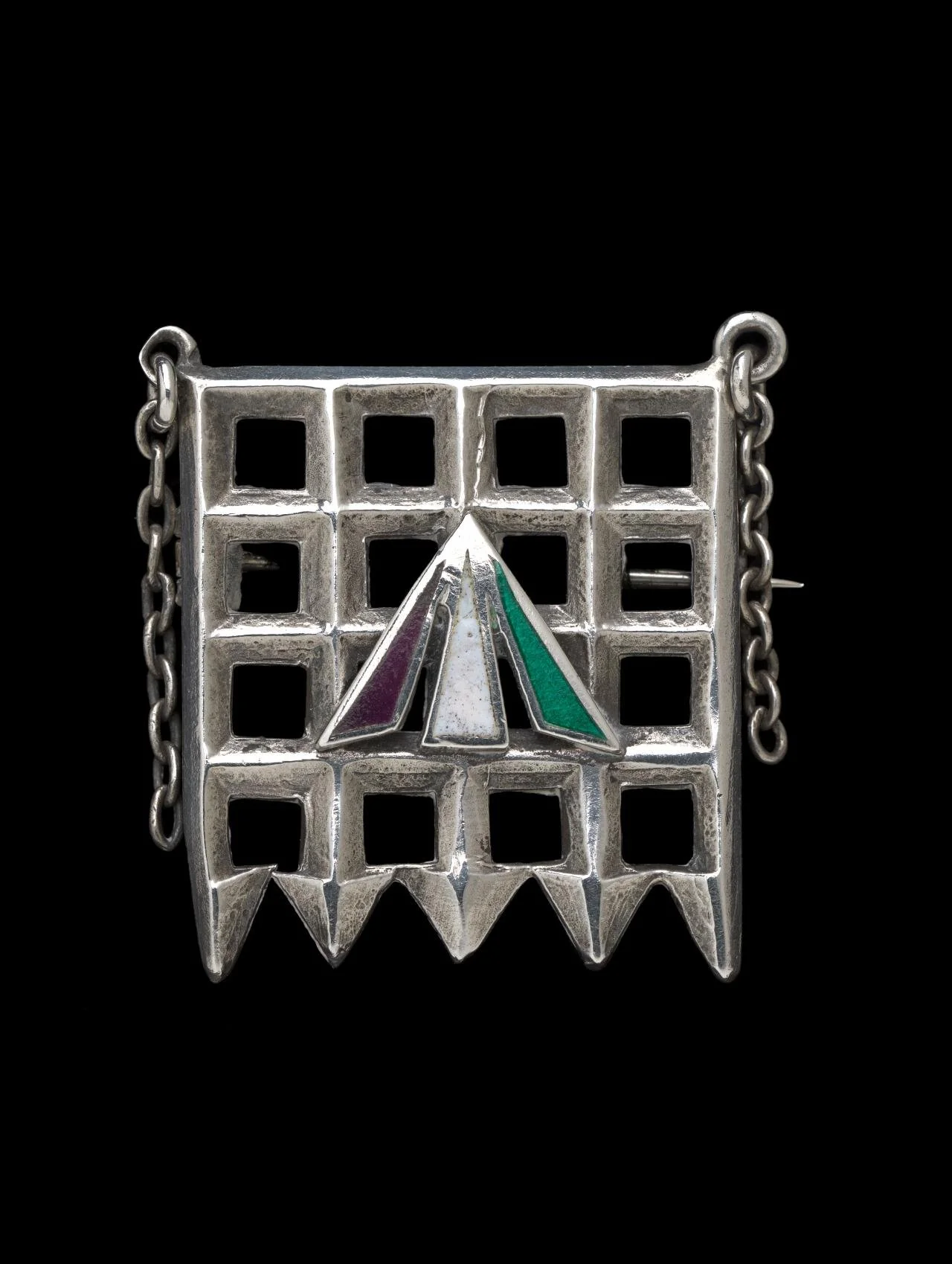
Among the most historically significant examples of suffragette jewellery are the famous Holloway Prison brooches, awarded to women imprisoned for their activism, including hunger strikes and acts of civil disobedience.
These brooches were deeply symbolic objects. Designed in the movement’s colours and often featuring enamel decoration and portcullis motifs, they acted almost as medals of honour within the suffragette community. They recognised sacrifice, endurance and political commitment, transforming jewellery into a visible record of personal bravery.
Today, surviving examples are exceptionally collectible and remain important artefacts of women’s history.
Fashion, Femininity and Protest
One of the cleverest aspects of suffragette visual strategy was its embrace of fashion and femininity. Anti-suffrage critics frequently attempted to portray politically active women as unfeminine, irrational or socially disruptive. In response, many suffragettes deliberately presented themselves as elegant, fashionable and respectable. Jewellery became an important part of this carefully constructed image.
By incorporating political symbolism into beautiful accessories, suffragettes challenged the notion that femininity and political activism were incompatible. This was especially significant among middle- and upper-class women, who often navigated strict social expectations surrounding appearance and behaviour. Wearing jewellery associated with the movement allowed women to express solidarity while still conforming, at least outwardly, to the standards of Edwardian society.
Jewellery as Silent Political Expression
What makes suffragette jewellery so compelling today is its subtlety. Unlike banners or placards, jewellery operated quietly. A ring, pendant or brooch could become a discreet act of protest, worn close to the body and visible only to those who understood its meaning. These objects occupied a fascinating space between adornment, identity and activism.
For some women, wearing suffragette colours may have been one of the few socially acceptable ways to publicly express political beliefs. In this sense, jewellery became both deeply personal and quietly radical.
The Legacy of Suffragette Jewellery
More than a century later, suffragette jewellery continues to resonate because it represents far more than changing fashions. These pieces symbolise political courage, solidarity and the power of personal expression. They also remind us that jewellery has long been used as a language of meaning, capable of communicating beliefs, loyalties and ideals just as effectively as beauty or status.
For collectors of antique jewellery, suffragette pieces remain deeply evocative artefacts of social history, connecting the elegance of Edwardian design with one of the most important political movements of the modern era. Authentic examples, particularly those with clear provenance or organisational connections, are now highly sought after by collectors and museums alike.
Whether viewed as political artefacts, historical objects or beautiful examples of Edwardian craftsmanship, suffragette jewellery remains a fascinating chapter in the history of antique jewellery, one in which adornment became inseparable from activism.